A Practical Guide to Deciding When to Sell House As-Is
When I started working in real estate, I noticed a pattern. Homeowners would call me, describe a property that needed a new roof, had old wiring, or sat vacant for months after a relative passed away. Then they would ask the same question: "Do I need to fix it all up before I sell it?" The honest answer is no. You can sell house as-is and still walk away with a fair deal. The key is understanding what that really means and whether it fits your situation.
Selling a home as-is does not mean you ignore problems or hide them. It means you are not planning to make repairs before the sale. The buyer accepts the property in its current condition, including any defects they discover during their own home inspection. This approach is common when owners face financial hardship, have inherited property they cannot maintain, or simply lack the time and money to renovate.
What Selling As-Is Actually Means
Many people assume that listing a home as-is automatically means selling at a deep discount. That is not always true. A cash offer from a buyer who specializes in as-is purchases can often reflect fair market value minus reasonable repair costs. The buyer takes on the risk and the work of fixing the property, and you avoid the stress of managing contractors, permits, and timelines.
I once worked with a woman whose mother had left her a small bungalow. The house had not been updated since the 1970s. The kitchen cabinets were falling apart, the bathroom tile was cracked, and the basement had signs of past water damage. She did not have the savings to renovate, and she lived two states away. She chose to sell house as-is to a cash buyer. The process took three weeks, and she received a net amount that let her pay off the remaining mortgage and cover her moving expenses. She told me later that the relief of not dealing with contractors was worth more than the extra money she might have made by renovating.
When Selling As-Is Makes Sense
There are several scenarios where this route is the most practical choice. If you are facing foreclosure, time is your most valuable asset. Listing traditionally could take months, and a buyer's financing might fall through. A cash buyer can close quickly, often in a matter of weeks, which can stop the foreclosure process and preserve some of your home equity.
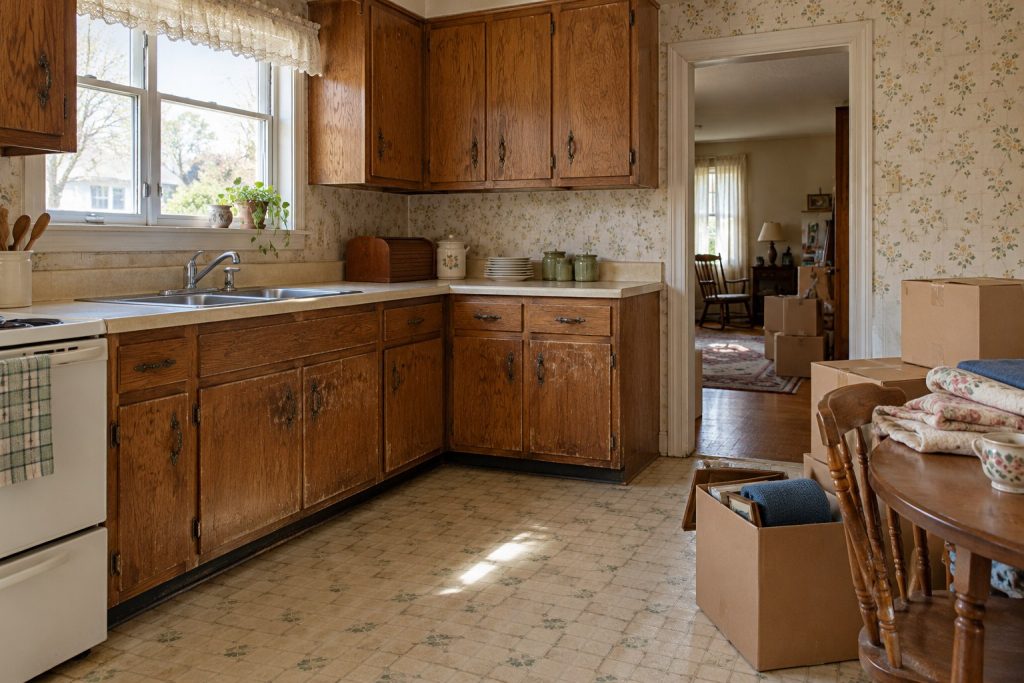
Inherited property often comes with complications. The probate process can be slow, and if the house needs significant work, the heirs may not agree on what to do. Selling as-is to a cash buyer simplifies things. You do not need to coordinate repairs or wait for a traditional buyer who might demand concessions after a home inspection. The title company handles the transfer, and the sale moves forward as long as there are no unresolved property liens or code violations.
Another common situation is when a house has been rented out for years and has accumulated deferred maintenance. Landlords who want to exit the rental business often find that the cost of bringing a property up to current standards exceeds the potential increase in sale price. Selling as-is lets them liquidate the asset without pouring more money into it.
Understanding the Trade-Offs
There is no free lunch in real estate. When you sell as-is, you are trading potential upside for certainty and speed. You avoid the risk that a renovation goes over budget or that you pick the wrong finishes and still do not get your money back. But you also give up the chance to maximize the sale price through improvements.
The right decision depends on your personal goals. If you need cash quickly to resolve a financial hardship, or if the property is vacant and costing you money every month in taxes and insurance, then a quick cash sale is often the better move. If you have the time, the money, and the patience to manage a renovation, you might net more by fixing the place up first. But many people underestimate the hidden costs: permits, contractor delays, and the carrying costs of holding a property while it sits on the market.
What to Expect in the Process
When you accept a cash offer for a home sold as-is, the timeline is usually shorter. A typical traditional sale might take 45 to 60 days from contract to closing date. A cash transaction can close in two to three weeks. There is no lender appraisal required, and the buyer does not need to wait for mortgage approval. The main steps are a home inspection (usually at the buyer's expense), a title search to identify any property liens or HOA issues, and the final closing where the title company distributes funds.
Even in an as-is sale, the buyer will almost always conduct a home inspection. This is not a deal breaker; it is just due diligence. The difference is that the buyer is not expecting you to fix what they find. They are confirming that they understand the condition of the property. If the inspection reveals a major issue like a failing foundation or a serious code violation, the buyer may try to renegotiate. But a reputable cash buyer typically prices their offer to account for those risks from the start.

You should also be aware of closing costs. In a traditional sale, sellers often pay real estate agent commissions, title insurance, transfer taxes, and sometimes a portion of the buyer's closing costs. In a cash sale to a company that buys houses as-is, there may be no real estate agent involved, which can save you the typical 5 to 6 percent commission. Always ask for a net sheet that shows what you will actually receive after all fees and the mortgage payoff are deducted.
How to Know If You Are Getting a Fair Price
One concern I hear often is: "How do I know if the cash offer is fair?" It is a valid question. You can start by looking at comparable sales in your area for homes that sold as-is. Those are usually listed with a note in the public records. You can also get a broker price opinion from a local real estate agent. Even if you do not plan to list traditionally, an agent can give you a ballpark of what the house might sell for after repairs and what it might sell for in its current condition.
Remember that a cash offer is not the same as a traditional market listing. The buyer is taking on risk and doing work you would otherwise have to do. A fair cash offer typically falls somewhere between what a flipper would pay and what a retail buyer would pay after renovations. If the offer seems too low, you can always negotiate or get a second opinion.
Common Pitfalls to Avoid
One mistake I see is homeowners trying to sell house as-is but still insisting on a traditional listing with a real estate agent. That can work, but it often leads to a longer time on market and multiple price reductions. Traditional buyers and their lenders often require that certain health and safety issues be fixed before the loan can close. If you are not willing to make repairs, you may end up renegotiating or losing buyers.
Another pitfall is ignoring property liens or code violations. These do not disappear when you sell. The title company will find them during the search, and they must be resolved before the sale can close. If you know about a property lien or unpaid HOA dues, be upfront about it. A cash buyer who specializes in as-is purchases has dealt with these issues before and can often work with you to clear them.
Finally, do not forget about moving expenses. Even in a quick cash sale, you still need to move your belongings out. Factor that into your timeline and budget. Some cash buyers offer a flexible closing date that gives you extra time to vacate, so ask about that early in the process.

Practical Steps to Take Before Listing
- Get a clear picture of what you owe on the mortgage and any other debts tied to the property, such as a second lien or home equity loan.
- Order a preliminary title report to see if there are any property liens or HOA assessments that need to be paid.
- Decide what personal property you want to keep and what will stay with the house. This can affect the offer.
- If the house is vacant, secure it against vandalism or weather damage. A boarded-up window or a leaky pipe can turn a manageable situation into an emergency.
Once you have those basics covered, you can start reaching out to cash buyers or companies that specialize in as-is purchases. Ask for references, read reviews, and compare offers. The right buyer will be transparent about their process and will not pressure you to sign before you are ready.
Selling a home is rarely simple, but choosing to sell house as-is can remove a lot of the complexity. You avoid the stress of managing repairs, the uncertainty of a long listing period, and the risk of a deal falling through over inspection items. For many homeowners dealing with inherited property, financial hardship, or just a house that has seen better days, it is the most straightforward path to a clean exit and some cash in hand.